

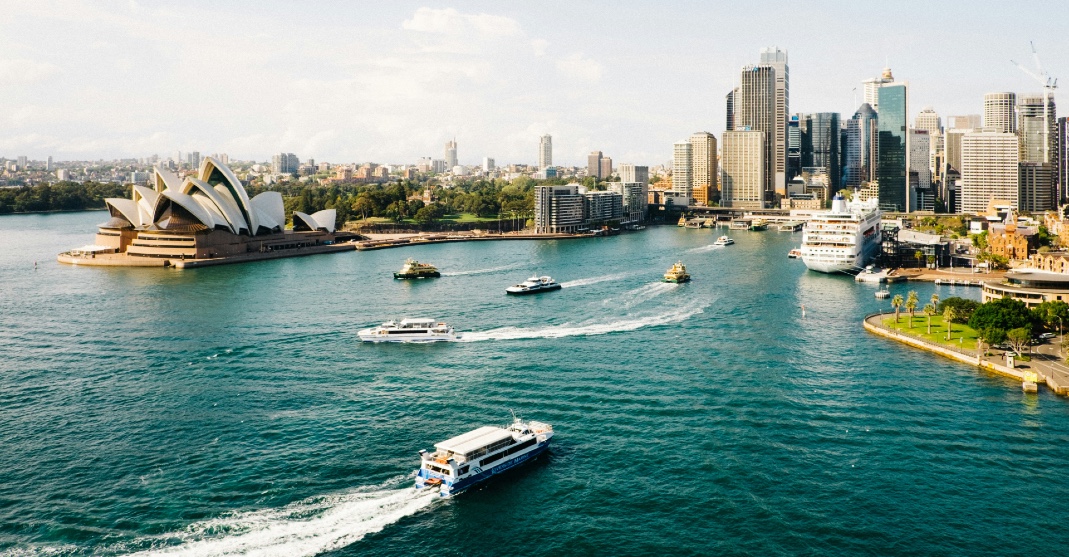
ISHLT 47th Annual Meeting & Scientific Sessions
Wednesday, 14 April – Saturday, 17 April, 2027
International Convention Centre Sydney
Sydney, NSW Australia
See Sydney
Tourism Information
Currency & Exchange Rates
The Australian currency is the Australian dollar (AUD), which comes in notes ($5, $10, $20, $50 and $100) and coins (5, 10, 20 and 50 cents, and $1 and $2). Currency exchange services are available at the airport, in the city centre and at most banks and Australia Post offices, and you can use this online tool to see the current exchange rate and calculate costs.
Major credit cards are widely accepted in Australia. Tap-to-pay (contactless) is accepted almost universally, at cafes, restaurants, bars, shops, taxis, and market stalls. Be sure to notify your bank before you travel to avoid your card being blocked for suspected fraud. And although Australia is also one of the most cashless societies in the world, ATMs can be easily found throughout the city and accept most common cards, including UnionPay.
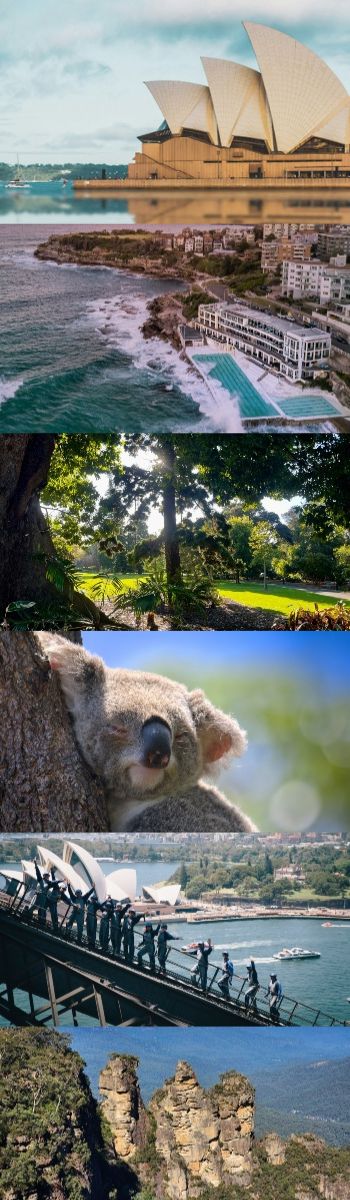
Top 10 Things to do in Sydney
- Sydney Opera House: An architectural wonder up close. Tour it, eat at the Opera Bar, or catch a performance.
- Sydney Harbour: Best seen from the water. Take the Manly Ferry or book a harbour kayak or sailing experience.
- Bondi Beach: Iconic, beautiful, and the Bondi to Coogee walk is unmissable.
- The Rocks: History, markets, pubs, and restaurants in Sydney's colonial heart.
- Royal Botanic Garden: Free, stunning, right on the harbour. One of the world's great urban green spaces.
- Taronga Zoo: World-class zoo on the harbour, with views across to the CBD. Ferry access from Circular Quay.
- Sydney Harbour Bridge Climb: Not cheap, but unforgettable. Book well in advance.
- Manly: Take the ferry, spend the day at the beach, walk the Spit to Manly coastal track.
- Newtown and Surry Hills: Sydney's best neighbourhoods for eating, drinking, and wandering.
- Blue Mountains day trip: 2 hours by train from Central Station. The Three Sisters at Katoomba, Wentworth Falls, and Leura village are all worth the journey.
Dining & Drinks
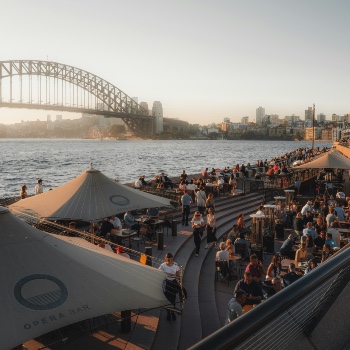
Sydney is one of the great food cities of the world, diverse, inventive, and with an obsessive focus on fresh, high-quality produce. Do not arrive expecting bland. Arrive hungry.
The tastiest eat streets in Sydney
From food-court favorites to streets centered around one cuisine, Sydney is full of go-to dining strips for energizing breakfasts, late-night eats and every mealtime in between.
The Tourist Refund Scheme (TRS)
If you spend $300 AUD or more (GST inclusive) in a single store within 60 days of departure, you can claim a refund of the 10% GST (Goods and Services Tax) and wine equalization tax at the airport before you leave. This applies to goods you take with you as carry-on or checked baggage. Claim at the TRS facility in the departure area of the airport. Keep your tax invoices.
When planning your trip, visit these links to find out what to do in Sydney and learn about some of NSW’s most loved regions:
Extending Your Stay
Travel Between Cities
If you are extending your trip to visit other parts of Australia, flying is almost always the right choice between major cities. Drive times are significant and the landscape between cities, while often spectacular, requires considerable time to appreciate properly.
Qantas, Virgin Australia, and Jetstar are the main domestic carriers, with Rex operating regional routes.
Tourism Websites
All state and territory tourism websites have itinerary planners, accommodation finders, and event calendars. Use these as your starting point for detailed trip planning.
- New South Wales
- Victoria
- Queensland
- South Australia
- Western Australia
- Tasmania
- Northern Territory
- Australian Capital Territory
- Australia (National)
A Practical Planning Framework
- 1–3 extra days: Stay in Sydney. You will not run out of things to do.
- 4–5 extra days: Sydney plus one neighbouring city (Melbourne, Brisbane, or Canberra easily as a day trip or overnight).
- 1 week: Add one state, fly to Melbourne or Brisbane and explore the surrounds.
- 10–14 days: Consider Queensland (reef, rainforest, coast) or Western Australia (Perth, Margaret River, Rottnest, Ningaloo) as a dedicated extension.
- 3+ weeks: Tasmania plus a mainland state, or the Northern Territory, or a proper east coast drive.
FAQs
They are not. Each Australian capital city has a genuinely distinct character:
- Sydney: Harbour, beaches, energy, international pace, excellent food.
- Melbourne: Culture, coffee, sport, laneways, strong arts scene, the best cafe culture in the country.
- Brisbane: River city, relaxed, outdoors-focused, gateway to Queensland.
- Adelaide: Quiet, elegant, wine-focused, extremely liveable, often underrated.
- Perth: Isolated, beautiful, sunny, relaxed, genuinely different from the east coast.
- Hobart: Small, historic, world-class food scene, MONA, surrounded by extraordinary wilderness.
- Darwin: Frontier energy, multicultural, tropical, gateway to Kakadu and Arnhem Land.
- Canberra: Planned, green, surprisingly good restaurants, great galleries
IWill it will be hot in April? In Sydney, April is mild autumn, typically 18–23°C (64–73°F) during the day and cooler in the evenings. If you are heading to the Northern Territory, Queensland, or WA, it will be warmer. If you are going to Tasmania, pack a jacket. Australia's seasons are the reverse of the Northern Hemisphere, April is autumn, not spring.
If you’re planning to visit one of the other territories, here is what you can expect:
- Northern Territory (Darwin, Uluru, Kakadu): April/May is the dry season, warm to hot during the day (25–35°C), cool at night. Light clothing plus one warm layer for evenings.
- Queensland (Brisbane, Great Barrier Reef, Cairns): Warm and humid in the tropical north even in May (25–32°C). Lightweight, breathable clothing. Swimwear essential.
- Victoria (Melbourne): Similar to Sydney but with Melbourne's famously changeable weather. Bring layers.
- Tasmania (Hobart): Genuinely cool in autumn — average 7–16°C. Bring a proper jacket and warm layers.
- Western Australia (Perth): Warm and pleasant in April/May, 18–26°C. Light to medium layers.
Tipping is not expected or required in restaurants, taxis, hotels, or for any service. Service staff are paid a proper wage and you will not cause offensce by not tipping. If you had an exceptional experience and wish to leave something, it is appreciated but genuinely not expected.
You almost certainly will not, at least it is very unlikely in Sydney or any major Australian city. Snakes and spiders exist in Australia, but they are far more afraid of you than you are of them, and serious encounters are very rare.
- There are no recorded deaths from spider bites in Australia since 1979. Antivenom for both the funnel-web and the redback, the two species that can cause serious harm, has been available for decades.
- Snake bites in Australia result in an average of two deaths per year, nationally. To put that in context, there are approximately 140,000 snake-related deaths globally each year. Australian snakes are venomous, but antivenom exists for all species, and hospitals are well-equipped to treat bites.
- Most snakes and spiders in Australia live in bushland and rural areas, not in city centres. Walking around Sydney, Melbourne, or other capital cities carries a very low wildlife risk.